

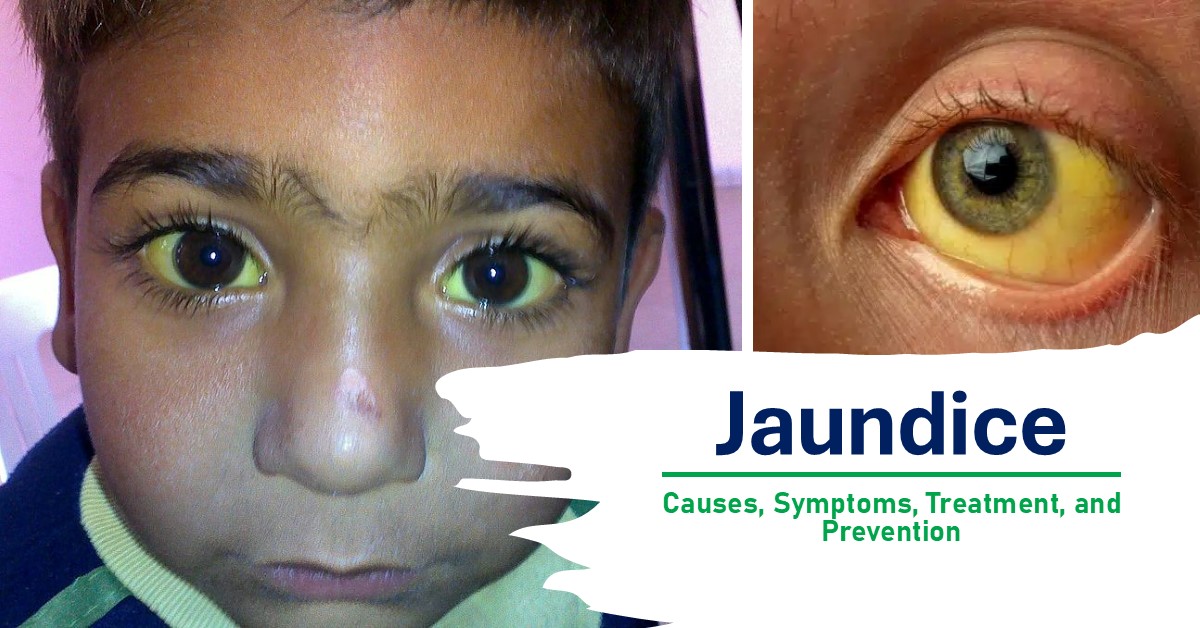
Jaundice is a condition characterized by the yellowing of the skin and eyes due to elevated levels of bilirubin in the blood. This comprehensive guide explains its causes, symptoms, treatments, and prevention strategies, offering valuable insights for both patients and healthcare providers.
Introduction to Jaundice
Jaundice is not a disease but a symptom of underlying health issues. It affects millions worldwide, particularly in areas with limited access to healthcare and sanitation.
Anatomy and Physiology Related to Jaundice
The liver plays a pivotal role in processing bilirubin, a waste product from red blood cells. When the liver or bile ducts fail to function properly, bilirubin builds up, leading to jaundice.
Key Points:
1. Bilirubin Types:
- Unconjugated (indirect): Before liver processing.
- Conjugated (direct): After liver processing.
- Hepatobiliary System: Includes the liver, gallbladder, and bile ducts.
Causes and Classification of Jaundice
a. Pre-Hepatic Jaundice
- Caused by excessive red blood cell breakdown.
- Examples: Malaria, Sickle Cell Anemia.
b. Hepatic Jaundice
- Results from liver damage.
- Examples: Hepatitis, Alcoholic Liver Disease.
c. Post-Hepatic Jaundice
- Caused by bile flow obstruction.
- Examples: Gallstones, Pancreatic Cancer.
Signs and Symptoms
- Yellowing of Skin and Eyes: Most noticeable symptom.
- Dark Urine: Indicates elevated bilirubin.
- Pale Stools: Suggests bile duct obstruction.
- Itching and Fatigue: Common in chronic cases.
Diagnosis of Jaundice
a. Clinical Examination
- Checking for yellowing of eyes and skin.
- Taking a detailed medical history.
b. Laboratory Tests
- Liver Function Tests (LFTs): Assess liver health.
- Bilirubin Tests: Measure total, direct, and indirect bilirubin levels.
c. Imaging Studies
- Ultrasound: Detects blockages.
- ERCP: Visualizes bile ducts.
Treatment and Management
a. Medical Treatments:
- Infections: Antibiotics or antivirals.
- Itching: Cholestyramine for relief.
b. Surgical/Interventional:
- Gallstone Removal: Via surgery or ERCP.
- Liver Transplant: For end-stage liver disease.
c. Lifestyle Adjustments:
- Avoid alcohol and hepatotoxic substances.
- Maintain a balanced diet.
Complications of Jaundice
- Liver Failure: Severe cases can lead to hepatic failure.
- Chronic Diseases: Prolonged jaundice may cause cirrhosis.
- Neurological Damage: Especially in untreated neonatal jaundice.
Prevention of Jaundice
- Vaccination: Hepatitis A and B vaccines.
- Hygiene Practices: Proper handwashing and safe food consumption.
- Moderate Alcohol Consumption: Reduces liver damage risk.
Jaundice in Special Populations
a. Neonatal Jaundice:
- Common in newborns; usually resolves with phototherapy.
- Severe cases may lead to kernicterus if untreated.
b. Pregnancy:
- Conditions like Intrahepatic Cholestasis of Pregnancy (ICP) can cause jaundice.
Prognosis and Quality of Life
With proper diagnosis and treatment, most cases resolve without complications. Chronic cases require long-term management.
A Note from Medical and Health Hub
Understanding jaundice and its underlying causes is crucial for effective treatment and prevention. Maintaining a healthy lifestyle and seeking timely medical advice can significantly reduce the risk of severe complications.
If you found this guide helpful, share it with others to spread awareness about jaundice. For more health insights, explore related articles on our website.
Frequently Asked Questions (FAQs)
1. What causes jaundice in adults?
- Jaundice in adults is often caused by liver diseases like hepatitis, gallstones, or excessive red blood cell breakdown.
2. Is jaundice contagious?
- Jaundice itself isn’t contagious, but underlying infections like hepatitis can be.
3. How is neonatal jaundice treated?
- It’s typically treated with phototherapy or, in severe cases, exchange transfusion.
4. Can jaundice be prevented?
- Yes, through vaccination, good hygiene, and avoiding liver-damaging substances.
5. When should I see a doctor for jaundice?
- Seek medical attention immediately if jaundice is accompanied by severe pain, weight loss, or fever.