

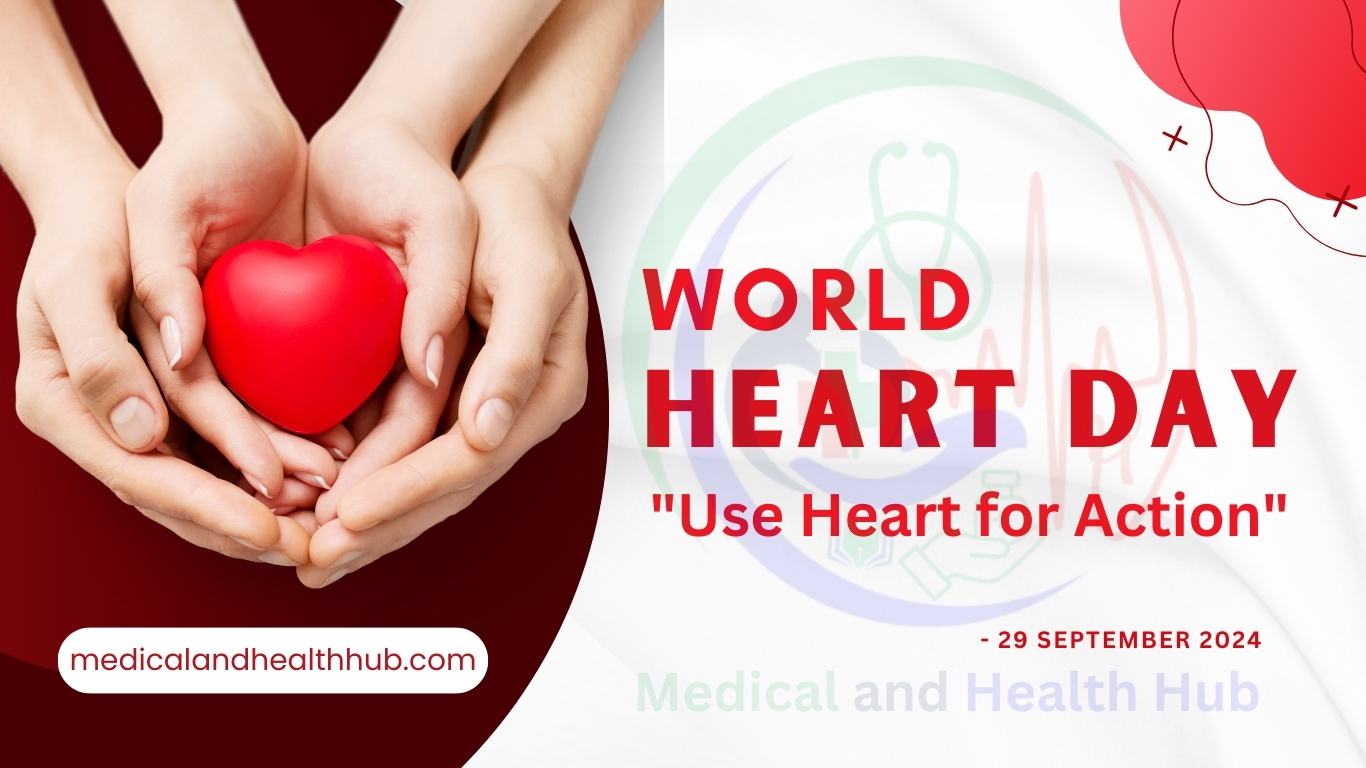
Introduction to World Heart Day
World Heart Day is observed every year on September 29th to raise awareness about cardiovascular diseases (CVDs), which remain the leading cause of death globally. Established by the World Heart Federation (WHF), the day promotes preventive measures to reduce the risk of heart-related conditions. Cardiovascular diseases account for 17.9 million deaths annually, making it crucial to highlight the importance of heart health.
World Heart Day serves as a global platform, uniting people from all backgrounds to focus on improving heart health and reducing the burden of heart disease worldwide.
Theme for World Heart Day 2024
The theme for World Heart Day 2024 is “Use Heart for Action”, calling on individuals and communities to take proactive steps in reducing cardiovascular risks. This theme highlights the importance of understanding heart health and taking actionable measures to improve it. Through various activities and awareness campaigns, the theme encourages everyone to use their heart, both literally and figuratively, to make a positive impact on their well-being.
The Global Burden of Cardiovascular Diseases
Cardiovascular diseases are a public health challenge, and understanding their global impact is vital. According to the World Health Organization (WHO):
- 17.9 million deaths per year are due to CVDs, representing 31% of all global deaths.
- Risk factors include high blood pressure, high cholesterol, diabetes, obesity, physical inactivity, poor diet, smoking,and excessive alcohol consumption.
- Many cardiovascular diseases can be prevented through lifestyle changes and proper medical interventions.
Preventing Cardiovascular Diseases
The prevention of cardiovascular diseases requires a comprehensive approach that includes making healthier lifestyle choices. Here are key steps:
Healthy Lifestyle Choices for Heart Health:
- Diet and Nutrition: Consuming a balanced diet rich in fruits, vegetables, whole grains, and lean proteins is essential for maintaining a healthy heart. Reducing salt, sugar, and unhealthy fats can lower the risk of heart disease.
- Physical Activity: Regular exercise helps maintain a healthy weight, lowers blood pressure, and improves heart function. Aim for at least 150 minutes of moderate-intensity exercise per week.
- Smoking and Alcohol Consumption: Quitting smoking and reducing alcohol intake significantly reduces the risk of heart disease. Tobacco use contributes to the narrowing of blood vessels and can lead to heart attacks or strokes.
The Role of Stress and Mental Health:
Chronic stress can contribute to heart disease by increasing blood pressure and promoting unhealthy behaviors like overeating or smoking. Practices like meditation, deep breathing exercises, and seeking professional help when needed can positively impact heart health.
Regular Health Screenings and Monitoring:
Routine check-ups, including blood pressure, cholesterol, and glucose level testing, are vital for early detection and prevention of heart conditions. Screenings allow individuals to manage potential risks before they develop into serious problems.
Innovations and Advances in Cardiovascular Care
In recent years, medical science has made significant strides in treating and preventing cardiovascular diseases. These advancements include:
- Telemedicine: Remote consultations have become a valuable tool in managing heart conditions, especially for patients in rural or underserved areas.
- Wearable Technology: Devices like fitness trackers and smartwatches monitor heart rate, detect irregular rhythms, and encourage physical activity.
- Minimally Invasive Surgeries: Innovations in heart surgeries, such as robotic-assisted surgery, reduce recovery times and improve patient outcomes.
Global and Local Initiatives
The World Heart Federation (WHF) plays a key role in organizing global campaigns for heart health. National health organizations and non-profits also collaborate to support heart health awareness:
- American Heart Association (AHA) in the United States conducts educational programs and advocacy efforts.
- Governments around the world initiate health screenings and educational events to engage local communities.
- Digital health platforms encourage individuals to stay informed and manage their heart health proactively.
How to Get Involved in World Heart Day
World Heart Day 2024 provides several ways for individuals and communities to participate:
- Attend Local Events: Many cities and countries host heart walks, fitness challenges, and health expos to raise awareness.
- Engage on Social Media: Use the hashtag #WorldHeartDay2024 to share heart health tips and raise awareness.
- Spread Awareness: Share infographics, videos, and articles on heart health with family and friends.
A Note from Medical and Health Hub
Cardiovascular diseases are a significant global health challenge, but through education, awareness, and preventive action, we can reduce the impact of these conditions. On World Heart Day 2024, let’s commit to understanding our hearts better, making healthier lifestyle choices, and participating in global initiatives that promote heart health.
Frequently Asked Questions (FAQs)
1. What is the significance of World Heart Day?
- World Heart Day raises awareness about cardiovascular diseases, their prevention, and the importance of heart health.
2. How can I participate in World Heart Day 2024?
- You can join local events, share heart health information on social media, or attend free health screenings.
3. What lifestyle changes can help prevent heart disease?
- Eating a balanced diet, exercising regularly, quitting smoking, and managing stress can significantly reduce your risk of heart disease.
4. Why is heart disease the leading cause of death globally?
- Due to risk factors like unhealthy lifestyles, aging populations, and lack of awareness, heart disease is prevalent worldwide.
5. How does World Heart Day help in reducing heart disease?
- The day promotes awareness, education, and preventive measures, helping people make healthier choices to reduce their risk of cardiovascular disease.