


Introduction
Hey there! Most importantly – let’s talk about your diet. Now, we are not talking about those crazy fad diets; I mean a balanced diet that provides everything your body needs. Think of it as giving your body the best possible chance to thrive. You want to feel good, stay energetic, and avoid health problems, right? That’s where a balanced diet comes in.
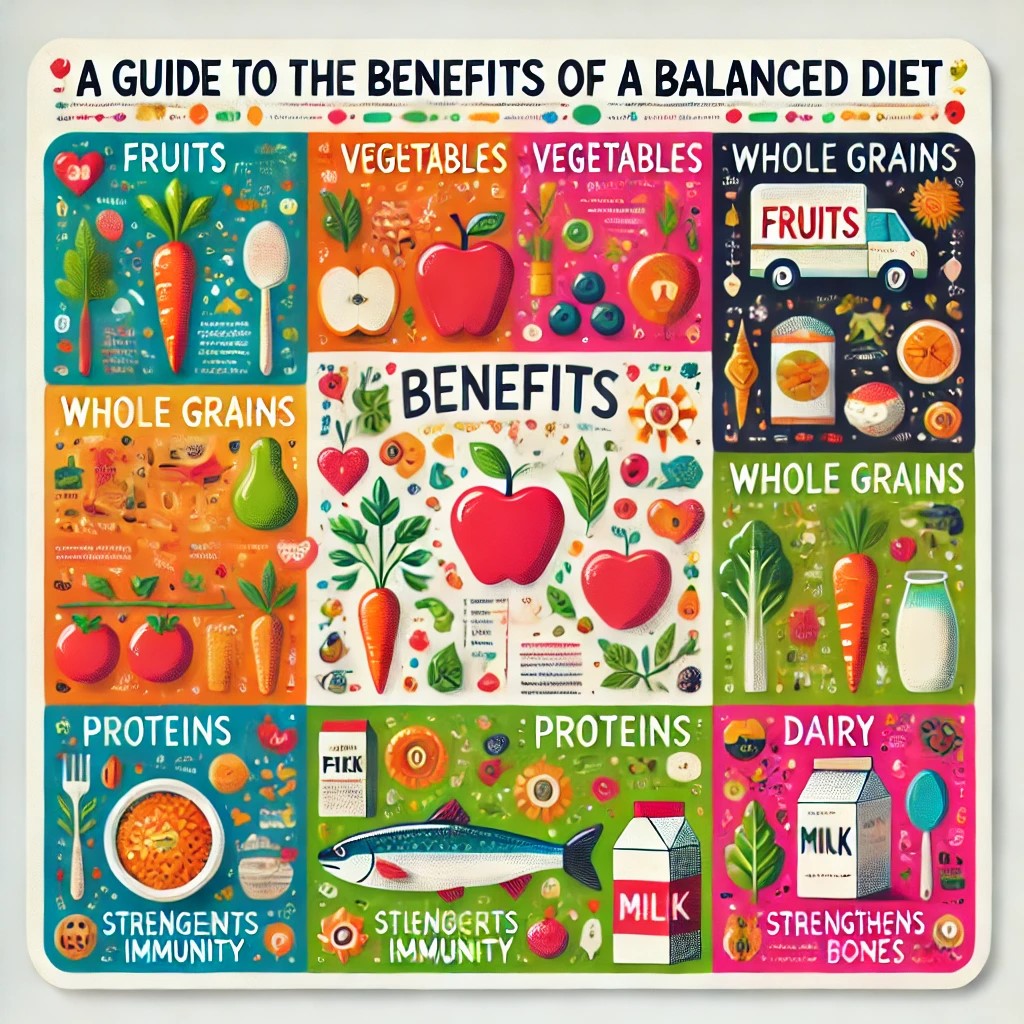
Overview of Daily Nutritional Requirements
We are all different, so our nutritional needs may vary. Whether you’re a growing teenager or enjoying your golden years, the key is to get the right mix of nutrients every day. And don’t worry – I’m here to break it down for you in an easy-to-digest way (pun intended).
Nutritional requirements at different life stages
Infants (0-12 months)
Calorie Requirements:
Babies grow fast, so they need a lot of energy – about 100-120 calories per kilogram of body weight.
Essential Nutrients:
Little ones need a good mix of protein, healthy fats and carbohydrates. And don’t forget vitamins and minerals like calcium, iron and vitamin D to support their growth.
| Protein | 1.5g/kg |
| Fat | 31 gram per day (0-6months) 30 gram per day (7-12months) |
| Carbohydrates | 60g/day |
| Calcium | 200mg/day (0-6month) 260mg/day (7-12month) |
| Iron | 0.27 mg/day (0-6 months) 11 mg/day (7-12 months) |
| Vitamin D | 10 mcg (400 IU) per day |
Toddlers (1-3 years)
Calorie Requirements:
Toddlers are on the move, so they need about 1,000-1,400 calories a day to keep up with their busy little lives.
Key Nutrients for Growth:
Little ones need a good mix of protein, healthy fats and carbohydrates. And don’t forget vitamins and minerals like calcium, iron and vitamin D to support their growth.
| Protein | 13g/day |
| Fat | 30-40% of total daily calories |
| Carbohydrates | 130g/day |
| Calcium | 700mg/day |
| Iron | 7mg/day |
| Vitamin D | 15 mcg (600 IU) per day |
Children (4-8 years)
Calorie Requirements:
Children in this age group require 1,200-2,000 kcal/day, depending on their activity levels.
Balanced Nutrition for Development:
Adequate nutrition is essential for children to maintain energy levels, support learning, and promote physical growth.
Key Nutrients for Growth:
A good mix of proteins, fats and carbohydrates along with essential vitamins and minerals helps children stay strong and healthy.
| Protein | 19g/day |
| Fat | 25-30% of total daily calories |
| Carbohydrates | 130g/day |
| Calcium | 1000mg/day |
| Iron | 10mg/day |
| Vitamin D | 15 mcg (600 IU) per day |
Preteen and Adolescent (9-18 years)
Calorie Requirements:
This group needs 1,600-3,200 kcal/day, with protein requirements ranging from 34 to 52 grams/day.
Key Nutrients for Growth:
Girls need a little more iron to support menstruation, while both boys and girls should focus on calcium and vitamin D for bone health.
| Protein | 34-52g/day |
| Fat | 25-35% of total daily calories |
| Carbohydrates | 130g/day |
| Calcium | 1,300mg/day |
| Iron | 15mg/day (females) 8mg/day (males) |
| Vitamin D | 15 mcg (600 IU) per day |
Adult (19-50years)
Calorie Requirements:
Based on Activity Level: Depending on how active you are.
- Men: 2,000-3,000 kcal/day
- Women: 1,600-2,400 kcal/day
Key Nutrients for Bone Health and Vitality:
Keep your body in top shape with a good balance of protein, fat, carbohydrates, and plenty of vitamins and minerals to prevent health problems down the line.
| Protein | 56g/day (men) 46g/day (women) |
| Fat | 20-35% of total daily calories |
| Carbohydrates | 130g/day |
| Calcium | 1000mg/day |
| Iron | 18mg/day (women) 8mg/day (men) |
| Vitamin D | 15 mcg (600 IU) per day |
Older Adults (51 years and above)
Calorie Requirements:
Adjust Caloric Intake: As metabolism slows down, so you need fewer calories.
- Men: 2,000-2,800 kcal/day
- Women: 1,600-2,200 kcal/day (depending on activity level)
Key Nutrients for Bone Health and Vitality:
Calcium, vitamin D, and protein are your best friends for staying strong and active.
| Protein | 56g/day (men) 46g/day (women) |
| Fat | 20-35% of total daily calories |
| Carbohydrates | 130g/day |
| Calcium | 1,200mg/day |
| Iron | 8mg/day for both men and women |
| Vitamin D | 20 mcg (800 IU) per day |
Pregnant and Lactating Women
Increased nutritional demand: To keep both you and your baby healthy
Calorie Requirements:
Pregnant and lactating women require additional 340-450 kcal/day to support their health and the baby’s development.
Key Nutrients for Bone Health and Vitality:
| Protein | Additional 340-450 kcal/day |
| Fat | 71g/day |
| Carbohydrates | 20-35% of total daily calories |
| Calcium | 175g/day |
| Iron | 1,000mg/day |
| Vitamin D | 27mg/day |
Components of a Balanced Diet
Now that we’ve covered what you need at different stages of life, let’s dive into what makes a balanced diet.
Macronutrients
Carbohydrates:
Carbohydrates are the body’s primary energy source, essential for brain function, physical activity, and overall energy. Whole grains, fruits, vegetables, and legumes are excellent carbohydrate sources.
Proteins:
Proteins are the building blocks of muscles, tissues, and enzymes. They play a critical role in growth, repair, and maintenance. Lean meats, fish, eggs, dairy, legumes, and nuts are rich protein sources.
Fats:
Fats are essential for brain health, hormone production, and energy storage. Healthy fats, such as those from avocados, nuts, seeds, and olive oil, should be prioritized, while trans fats should be limited.
Micronutrients
Vitamins:
Vitamins like A, C, D, E, and K, along with B-complex vitamins, are crucial for immune function, bone health, energy production, and preventing oxidative damage.
Minerals:
Minerals such as calcium, magnesium, potassium, and iron are vital for bone health, muscle function, and oxygen transport.
Hydration:
Importance of Water Intake: Water is essential for every bodily function, including digestion, circulation, and temperature regulation. Staying well-hydrated is crucial for maintaining health.
Daily Recommendations: The general recommendation is to drink about 8-10 cups of water per day, though this can vary based on individual needs and activity levels.
Benefits of a balanced diet
So, why go through all the trouble of eating a balanced diet? Here is the reason.
Physical health
Weight management:
A balanced diet helps maintain a healthy weight by providing the right amount of calories and nutrients to meet energy needs without excess.
Disease prevention:
Eating a variety of nutritious foods can reduce the risk of chronic diseases such as heart disease, diabetes and some cancers.
Mental well-being
Effects on cognitive function:
A well-balanced diet improves brain health, memory, focus, and overall cognitive function. Nutrients such as omega-3 fatty acids, antioxidants and vitamins B6, B12 and D play an important role in mental clarity and brain performance.
Mood regulation:
Diet can significantly affect mood and mental health. Eating foods rich in omega-3 fatty acids, complex carbohydrates and vitamins can improve mood and reduce the risk of depression and anxiety.
Long term benefits
Long life:
Eating a balanced diet can contribute to a longer, healthier life by reducing the risk of chronic diseases and promoting overall well-being. A consistent intake of nutritious foods helps maintain physical function and vitality as you age.
Quality of life:
Eating a balanced diet enhances your quality of life by ensuring you have the energy, strength and mental clarity to enjoy everyday activities and pursue your passions. It also supports a strong immune system, making you less susceptible to diseases.
Tips for maintaining a balanced diet
Meal plan
Creating a balanced plate:
To ensure a balanced meal, aim to fill your plate half with fruits and vegetables, one-quarter with lean proteins and one-quarter with whole grains. This simple strategy helps to meet daily nutritional requirements.
Portion control:
Paying attention to portion sizes can help prevent overeating and maintain a healthy weight. Use smaller plates, measure servings, and pay attention to hunger cues to avoid consuming more than necessary.
Incorporating diversity
Eat from all food groups:
By including a variety of foods in your diet, you get a wide range of nutrients. Each food group provides different essential vitamins and minerals, so it’s important to regularly consume foods from all groups.
Seasonal and local food:
Eating foods that are seasonal and locally sourced can increase the nutritional quality of your diet. These foods are often fresher and more nutrient-dense, and they support local agriculture.
Eat mindfully
Listening to your body’s signals:
Mindful eating involves paying attention to hunger and fullness cues, savoring each bite, and not getting distracted during meals. This practice can lead to healthy eating habits and better digestion.
Avoid processed foods:
Processed foods often contain high levels of added sugar, unhealthy fats and sodium, which can contribute to a variety of health problems. Choose whole, unprocessed foods whenever possible to maintain a balanced diet.
Common myths about a balanced diet
Myth 1: All fats are bad
All fats are not created equal. The healthy fats found in avocados, nuts and olive oil are essential for brain health, hormone production and nutrient absorption. It is important to distinguish between unhealthy trans fats and beneficial unsaturated fats.
Myth 2: Carbohydrates cause weight gain
Carbohydrates are an essential part of a balanced diet and are the body’s primary energy source. Whole grains, fruits and vegetables are healthy carbohydrate sources that can help with weight management and overall health. It is refined carbohydrates and added sugars that should be limited.
Myth 3: Supplements are always necessary
While supplements can help fill nutritional gaps, they aren’t always necessary if you consume a well-rounded diet. Whole foods provide a complex matrix of nutrients that work together to promote health, which supplements alone cannot fully replicate.
Frequently Asked Questions
What is the definition of a balanced diet?
A balanced diet provides all the nutrients your body needs to function properly, including carbohydrates, proteins, fats, vitamins, minerals and water.
Why is a balanced diet important for children?
A balanced diet supports children’s growth, development, cognitive function and immune system, helping them reach their full potential.
How can I make sure my diet is balanced?
Eat a variety of foods from all food groups, focus on whole and unprocessed foods, and pay attention to portion sizes and nutritional content.
What are the risks of not following a balanced diet?
An unbalanced diet can lead to nutrient deficiencies, weight gain, chronic diseases such as heart disease and diabetes, and decreased cognitive and physical performance.
Do nutritional needs change as we age?
Yes, nutritional needs change throughout life. For example, older adults need more calcium and vitamin D for bone health, while pregnant women need more iron and folic acid.
Can I get all the nutrients I need from food alone, or do I need supplements?
Most people can meet their nutritional needs with a balanced diet of a variety of whole foods. However, some people, such as those with certain medical conditions or dietary restrictions, may need supplements.
How much water should I drink each day as part of a balanced diet?
The general recommendation is 8-10 cups of water daily, but individual needs vary based on factors such as age, activity level, and weather.
A Note from Medical and Health Hub
A recap of the importance of a balanced diet
A balanced diet is fundamental to achieving and maintaining optimal health. It supports all bodily functions, from physical to mental, and plays an important role in disease prevention and long-term well-being.
Encouragement to adopt balanced eating habits
Making conscious choices to eat a balanced diet every day can significantly improve your quality of life. Start small, include a variety of foods, and listen to your body’s needs to build and maintain healthy eating habits.
References
- World Health Organization (WHO). “Food and Nutrition of Infants and Young Children” (2003).
- Institute of Medicine (IOM). “Dietary Reference Intake” (2011).
- Centers for Disease Control and Prevention (CDC). “Nutrition for Children” (2021).
- US Department of Agriculture (USDA). “Choose My Plate: Daily Nutritional Needs for Children” (2020).
- National Institutes of Health (NIH). “Nutrition for Adolescents” (2021).
- American College of Obstetricians and Gynecologists (ACOG). “Nutrition During Pregnancy” (2020).
- National Institute on Aging (NIA). “Eating Healthy After 50” (2021).
- US Department of Agriculture (USDA). “Dietary Guidelines for Americans 2020-2025”.