

Introduction
In today’s busy world, adopting a healthy lifestyle is important to enhance both your physical and mental health. But what is a healthy lifestyle? It’s not just about choosing the right foods or hitting the gym; It’s about creating habits that promote long-term health and happiness. This guide will walk you through the essentials of a healthy lifestyle and offer practical tips to help you live your best life. From balanced nutrition and regular exercise to mental health and quality sleep, discover how these elements work together to support a prosperous, healthy you.
Discover the essentials of a healthy lifestyle with practical tips on nutrition, exercise, mental health, and sleep. Start your journey to a healthier life today!
What is a healthy lifestyle?
A healthy lifestyle involves making choices that positively affect your overall well-being. This means balancing your diet, staying active, nurturing your mental health, and getting enough rest. By understanding and integrating these aspects, you can improve your quality of life and achieve lasting well-being.
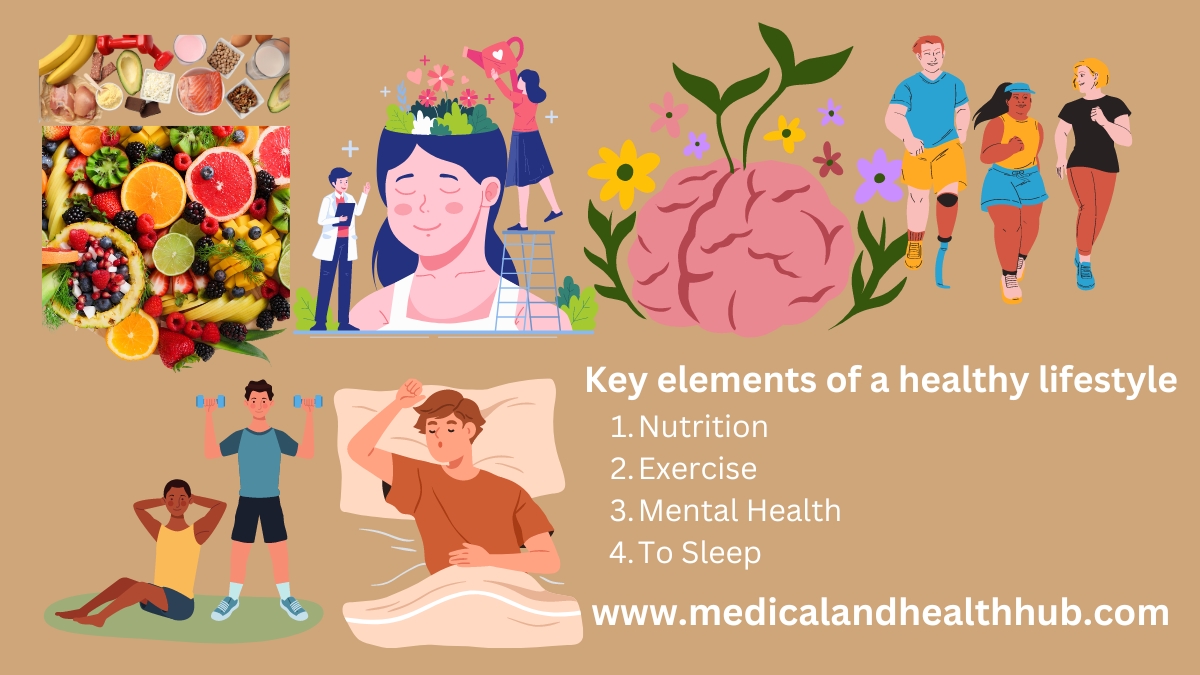
Key elements of a healthy lifestyle
- Nutrition: Eating a balanced diet is fundamental. It’s not about extreme diets but about incorporating a variety of nutrients to support your body’s needs.
- Exercise: Regular physical activity improves your health in many ways. It is essential for maintaining a healthy weight, improving mood, and increasing energy levels.
- Mental health: Mental health is just as important as physical health. Managing stress and promoting emotional resilience is important for overall well-being.
- To sleep: Adequate sleep is important for recovery and overall health. A good sleep routine supports both physical and mental health.
1. Nutrition: Giving your body the right fuel
Good nutrition is about making thoughtful food choices that benefit your health. It is not about restriction but about variety and balance.
a) Constructing a balanced plate
A balanced plate includes:
- Fruits and vegetables: Full of essential vitamins, minerals and fiber.
- Lean Proteins: Important for muscle repair and growth.
- Whole Grains: Provide sustained energy and aid digestion.
b) Hydration: Overlooked essential
Don’t forget about hydration! Drinking enough water is essential for all bodily functions. Aim for about eight 8-ounce glasses a day to keep your body hydrated and functioning properly.
c) Reading Nutrition Labels
Learn how to read nutrition labels to make healthy choices. Look for foods high in fiber and low in added sugars and unhealthy fats.
2. Exercise: Moving towards a healthier you
Incorporating exercise into your routine can make a big difference in your health and well-being.
a) Creating an effective workout plan
An effective workout plan should include:
- Cardio Exercise: Activities like running or cycling to improve heart health.
- Strength Training: Exercises like weightlifting to build muscle.
- Flexibility and Balance: Yoga or stretching to improve flexibility and prevent injuries.
b) Benefits of regular exercise
Regular exercise improves heart health, boosts mood through endorphin release, and helps with weight management.
c) Stay motivated
Set achievable fitness goals and track your progress. Consider joining a community or finding a workout buddy to keep you motivated and accountable.
3. Mental Health: Nourishing Your Mind
Taking care of your mental health is important for a balanced lifestyle. Managing stress and building emotional resilience are important aspects of mental well-being.
a) Stress Management Techniques
Try these stress management techniques:
- Mindfulness and Meditation: These exercises help calm your mind and focus.
- Regular Breaks: Short breaks during work can help reduce stress.
- Healthy Hobbies: Engage in activities you enjoy to increase relaxation.
b) Building emotional resilience
Strengthen emotional resilience by practicing positive thinking, seeking social support, and setting realistic expectations for yourself.
c) Looking for professional help
If you’re struggling with stress or emotional issues, consider talking to a mental health professional. They can offer support and coping strategies.
4. Sleep: The foundation of recovery
Adequate sleep is essential for recovery and overall health. Quality sleep supports both physical and mental health.
a) Establishing a sleep routine
Maintain a bedtime routine by going to bed and getting up at the same time every day. It helps regulate your body’s internal clock.
b) Creating a sleep-friendly environment
Make your sleeping environment as comfortable as possible. Consider factors such as mattress comfort, room temperature, and light and noise reduction.
c) Overcoming sleep problems
If you are experiencing sleep problems, such as insomnia, try to adjust your lifestyle and consult a healthcare provider if necessary.
Long-term maintenance: Keeping pace
Maintaining a healthy lifestyle is a constant effort. It’s about adapting to changes and setting new goals as you progress.
1. Setting achievable goals
Set specific, measurable goals for your health and celebrate small victories along the way. It helps keep you motivated.
2. Adapting to life changes
Be flexible and adapt your lifestyle as needed when faced with new challenges or changes in your routine. It helps in maintaining long term health.
3. Celebrating Milestones
Acknowledge and celebrate your achievements to stay committed to your healthy lifestyle journey.
A Note from Medical and Health Hub
A healthy lifestyle is about making thoughtful choices in nutrition, exercise, mental health and sleep. By integrating these exercises into your routine, you can increase your overall well-being. Remember, it’s a continuous journey – start small, persevere, and celebrate your progress.
Frequently Asked Questions
1. What are the key components of a healthy lifestyle?
A healthy lifestyle includes a balanced diet, regular exercise, adequate sleep and good mental health. Each of these components plays an important role in maintaining overall well-being and quality of life.
2. How can I start living a healthier lifestyle?
Start with small, manageable changes. Include more fruits and vegetables in your diet, increase your physical activity, and establish a sleep schedule. Gradually build on these changes for a more sustainable lifestyle.
3. What are the best tips for maintaining a balanced diet?
Focus on diversity and moderation. Include a mix of fruits, vegetables, lean protein and whole grains. Avoid processed foods high in sugar and unhealthy fats. Stay hydrated and practice mindful eating.
4. How does physical exercise contribute to a healthy lifestyle?
Regular exercise improves heart health, builds muscle, boosts mood through endorphins, and supports weight management. It also reduces the risk of chronic diseases and promotes overall physical and mental health.
5. What are some effective stress management techniques?
Stress management techniques include meditation, meditation, deep breathing exercises, and regular physical activity. Engaging in hobbies and spending time with loved ones can also help manage stress.
6. How can I improve my sleep quality?
Establish a sleep schedule, create a relaxing sleep environment, and limit screen time before bed. Avoid caffeine and large meals near bedtime to improve sleep quality.
7. How do I stay motivated to maintain a healthy lifestyle?
Set realistic goals and track your progress. Celebrate small milestones and find activities you enjoy. Consider joining a community or working with a friend to stay motivated and accountable.